


What Makes an Infrared Night Vision Telescope Essential for Night Hunting?
发布时间:Tháng 10 14, 2025 分类:Blog 浏览量:3599
In the world of modern outdoor sports and tactical observation, precision and visibility are everything. Night hunters, law enforcement officers, and outdoor enthusiasts all face the same challenge — limited visibility after dark. This is where infrared night vision telescopes redefine performance, giving users clear, high-contrast vision even in complete darkness.
The Science Behind Infrared Night Vision
Infrared night vision telescopes operate by detecting infrared light, invisible to the naked eye. Unlike regular optics, which depend on visible light, infrared systems capture heat signatures emitted by living creatures or warm objects. This means hunters can easily spot targets even in fog, shadows, or dense forests.
How It Works
- Infrared sensors: Detect heat radiation and translate it into a visible image.
- Optical zoom lenses: Magnify the scene for long-distance viewing.
- Digital enhancement chips: Improve clarity and reduce visual noise.
- IR illuminators: Add invisible light when natural ambient light is too low.
This advanced imaging technology makes it possible to see up to several hundred meters in pitch-black conditions.
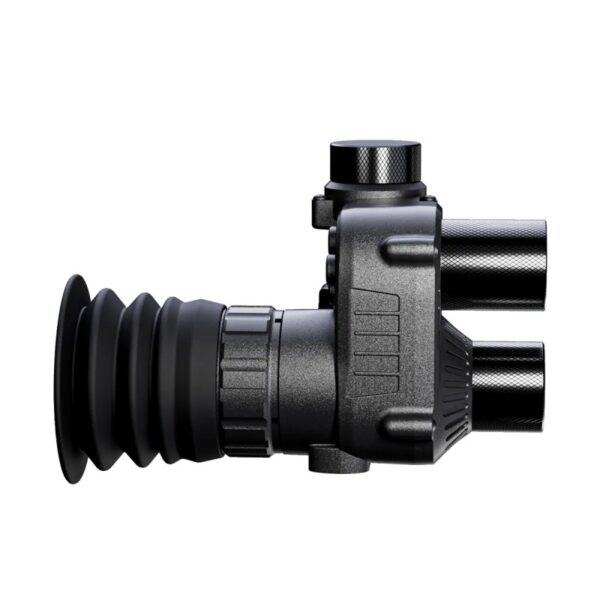
Key Advantages of Infrared Night Vision Telescopes for Hunters
Infrared night vision telescopes are not just about seeing in the dark — they transform the entire hunting experience by improving accuracy, safety, and strategy.
1. Enhanced Target Detection
Infrared optics highlight temperature differences, allowing hunters to spot animals hidden behind bushes or in shadows. This precise detection minimizes missed opportunities and ensures ethical hunting.
2. Long-Range Observation
With modern long-range infrared optics, you can detect targets up to 800–1000 meters away. This is crucial for open-field or mountain hunting where visibility and timing are critical.
3. Safety and Awareness
These telescopes provide a 360° awareness field, helping hunters identify obstacles, other hunters, or potential hazards in the dark. Enhanced safety is particularly valuable during group hunts or patrols.
4. Multi-Environment Adaptability
From deserts to snowfields, infrared telescopes perform well in diverse climates. They resist fog, rain, and dust, ensuring consistent image clarity during field operations.
Applications Beyond Hunting
Infrared night vision telescopes are also widely used in military, law enforcement, and industrial surveillance sectors.
1. Law Enforcement and Tactical Operations
Officers use infrared scopes for night patrols, search-and-rescue missions, and border security. The ability to detect heat signatures from a distance improves mission efficiency.
2. Industrial and Infrastructure Monitoring
Infrared vision helps maintenance teams monitor heat leaks, machinery malfunctions, or unauthorized intrusions in industrial zones at night.
3. Wildlife Observation and Research
Researchers use infrared hunting gear to monitor nocturnal animal behavior without disturbing the ecosystem.
Choosing the Best Infrared Night Vision Telescope
When selecting an infrared telescope, several technical factors determine its quality and usability.
Key Features to Consider
- Resolution: Higher resolution provides sharper and more detailed images.
- Detection range: Choose models with adjustable zoom and long-distance capability.
- Battery life: Opt for energy-efficient telescopes with rechargeable batteries.
- Durability: Ensure IP65+ waterproof and shockproof design for outdoor reliability.
- Mount compatibility: Some scopes can attach directly to rifles or tripods for stability.
Recommended Configurations
For professional hunters or tactical users, models featuring dual-mode (thermal + infrared) vision, recording capability, and Wi-Fi connectivity are ideal. These functions improve both performance and convenience in the field.
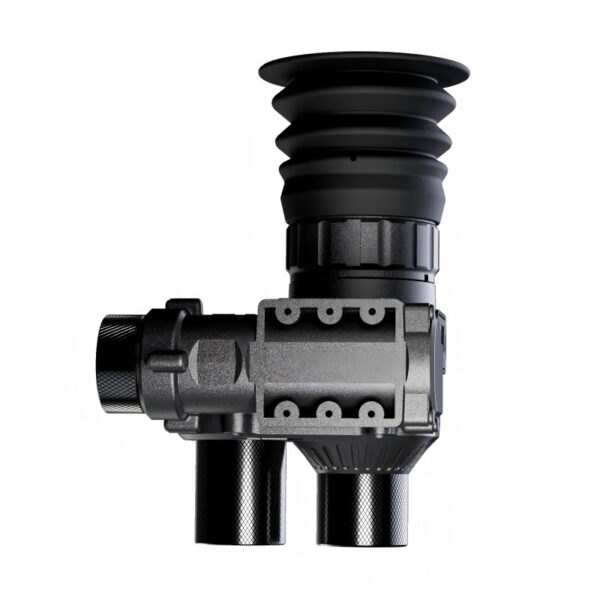
Why Infrared Night Vision Is the Future of Nighttime Operations
Infrared night vision technology continues to evolve rapidly. Modern systems combine AI-based image processing, ultra-sensitive CMOS sensors, and lightweight portable designs.
For night hunters, this means clearer images, reduced motion blur, and improved stealth. For security operators, it ensures round-the-clock reliability without relying on artificial lighting.
As sustainability grows in importance, these energy-efficient devices also align with eco-friendly standards, consuming minimal power while delivering high performance.
Conclusion — See the Night Clearly, Hunt Smarter
Infrared night vision telescopes have become indispensable in night hunting, tactical observation, and outdoor exploration. Their precision, adaptability, and durability make them the ultimate solution for anyone who works or hunts in darkness.
Whether you’re an individual hunter, a security professional, or a B2B buyer seeking bulk supply, investing in a high-quality infrared night vision telescope ensures visibility, accuracy, and long-term reliability.
FAQs
1. What is the difference between infrared and thermal night vision?
Infrared night vision uses reflected infrared light, while thermal imaging detects heat. Infrared provides better detail; thermal detects targets through smoke or foliage.
2. Can infrared night vision telescopes record video or images?
Yes, many models support HD recording, Wi-Fi streaming, or built-in SD storage, allowing hunters to document observations or review footage later.
3. Are infrared night vision telescopes legal for hunting?
In most countries, yes. However, regulations vary by region, so hunters should always check local laws before using electronic night vision devices.
